President Donald Trump said the United States will not attack Iran before the Nov. 3 midterm elections, and said Washington is holding “productive discussions” with Tehran. The statement was posted on Truth Social on Thursday and quickly rippled through oil and risk markets.
The announcement adds to an already volatile backdrop centered on Iran’s nuclear talks, maritime security in the Strait of Hormuz and the status of a U.S.-led blockade on Iranian ports. AP and other outlets reported that indirect negotiations are still ongoing through mediators, while Iranian officials say they are reviewing Washington’s response to a reopening proposal for the strait.
Oil prices eased after the comment as traders trimmed some geopolitical risk premium. But shipping and energy assets remain sensitive to any change in the talks, and UKMTO said traffic through the Strait of Hormuz is still about 75% below pre-conflict levels.
Iranian Foreign Minister Abbas Araghchi said Tehran will respond within days, underscoring that the latest U.S. statement is a pause in escalation, not a settlement. The market focus now shifts to whether talks on maritime access, sanctions relief and nuclear restrictions produce any concrete follow-through.
SpaceX said on X that it has reached an agreement to acquire a nationwide portfolio of 800 MHz low-band spectrum licenses, framing the deal as a step toward making Starlink a major mobile carrier in the U.S. Several posts around the announcement echoed the company’s view that the spectrum is a critical missing piece for Starlink Mobile.
The move extends Starlink’s push from satellite broadband into terrestrial mobile coverage. SpaceX said the low-band frequencies should improve indoor reception and help signals penetrate walls and other obstacles, addressing a long-running limitation in satellite-only service.
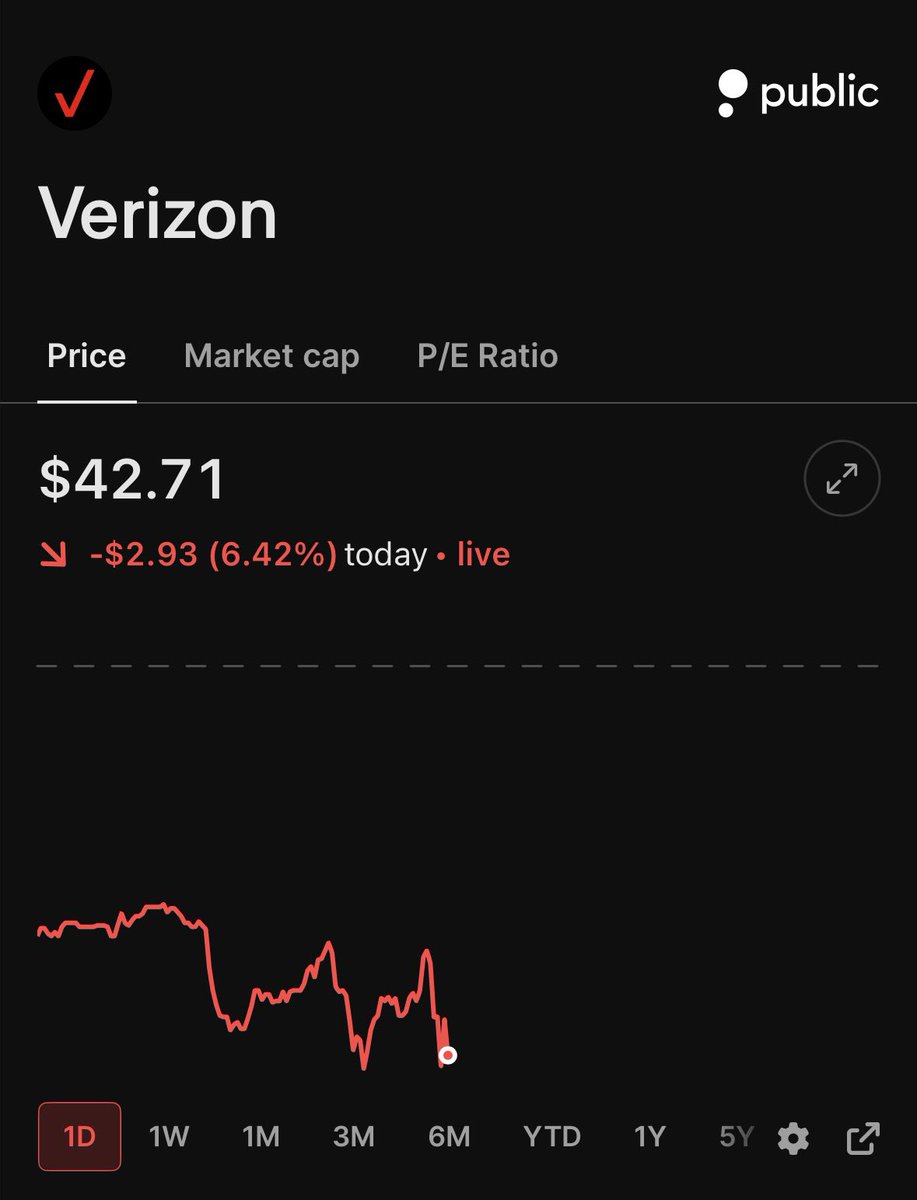
The announcement was quickly read through a competitive lens, with CNBC saying shares of AT&T, Verizon and T-Mobile were hit after the spectrum news. Separately, recent reporting has also highlighted Starlink’s stalled rollout in India, underscoring how significant the U.S. spectrum move is for the company’s broader mobile ambitions.
SpaceX’s posts present the deal as an announced agreement, while Cointelegraph’s write-up noted that the spectrum transaction still awaits FCC approval. The confirmed new development is the company’s public disclosure of the nationwide low-band spectrum acquisition and its carrier strategy.
U.S. freezes PERM filings for Microsoft and major IT firms
Trump administration says it will stop processing new and pending labor-certification applications for several tech employers, escalating an immigration compliance crackdown.
The Trump administration on Oct. 8 suspended Microsoft, Adobe and several large IT outsourcing firms from the PERM labor-certification process, a key step for foreign workers seeking U.S. green cards. Labor Secretary Keith Sonderling said the government would not accept new filings or process pending cases involving the named companies.
PERM is the employer-sponsored route used by many H-1B workers to move toward permanent residency. The action broadens a legal-immigration crackdown that now reaches major technology employers and offshore services vendors alike, with universities also facing separate visa-related probes.
Markets took the news unevenly: Microsoft fell more than 1.3% on Thursday, while Cognizant reversed earlier losses and closed up more than 5%. The named companies also include Infosys, Tata Consultancy Services, Wipro, HCL Technologies and Capgemini, underscoring the breadth of the enforcement push.
Microsoft said about 80% of the roughly 6,000 H-1B applications it filed in its latest fiscal year were to extend or change status for existing employees, not to hire new workers. The company said it looks forward to providing the administration with additional information.
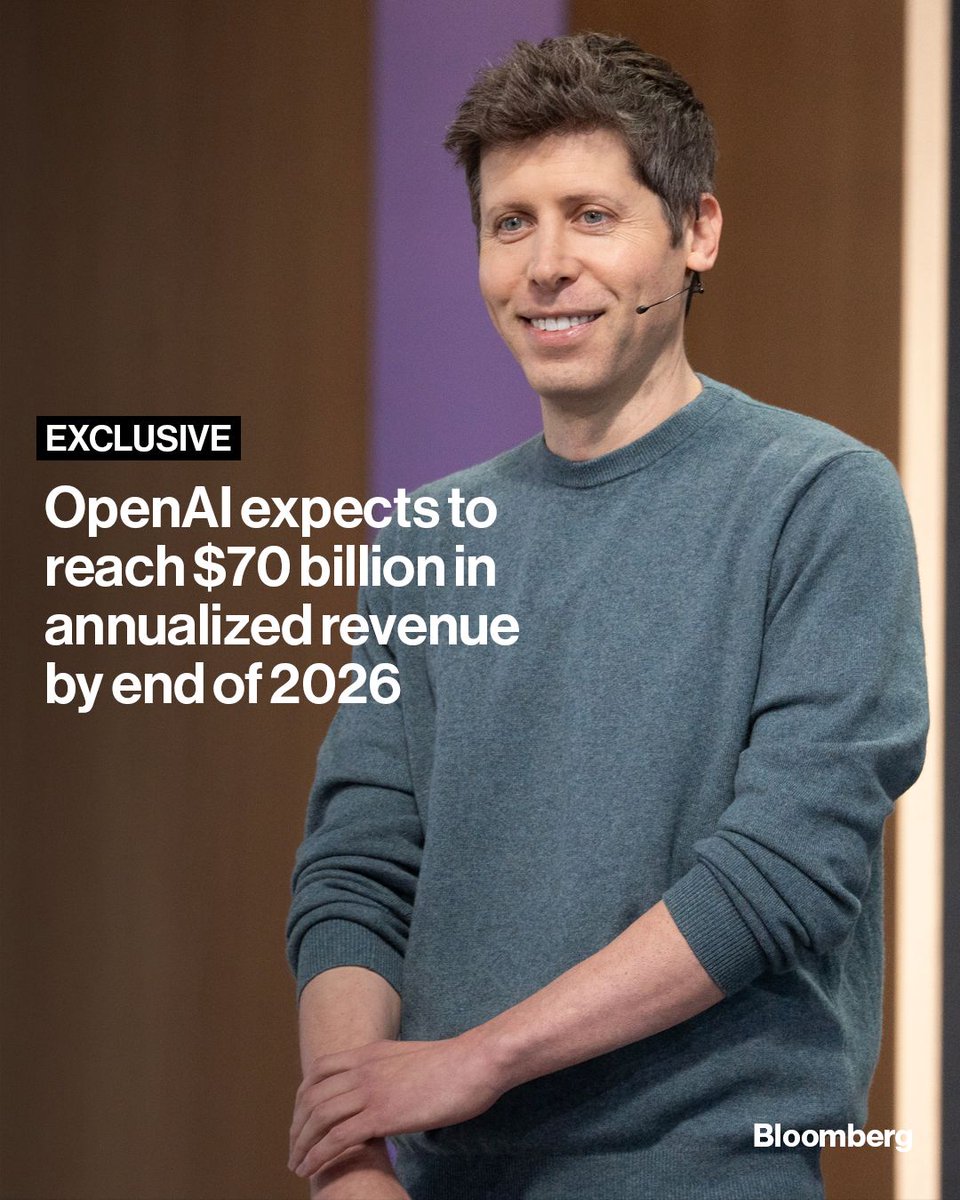
According to the Financial Times, citing financial documents shared with investors, OpenAI told investors in late September that its annualized revenue was approaching $50 billion. That is roughly $20 billion below the $70 billion figure widely reported by media outlets in late September.
The gap appears to stem from different ways of calculating run-rate revenue. The report says OpenAI does not count some sales routed through cloud partners the way Anthropic does, making direct comparisons less straightforward.
For markets, the revision matters because annualized revenue has become a key shorthand for AI demand and monetization. The update could affect how investors frame OpenAI’s valuation narrative and, by extension, sentiment across AI-linked names and cloud infrastructure providers.
OpenAI did not comment. Reuters said the earlier $70 billion figure had been based on a separate investor comparison exercise, while the latest number was first reported by the Financial Times.
OpenAI revenue update pressures Oracle as AI chips slide
FT says the company’s annualized revenue was closer to $50 billion, reviving questions around the AI demand gauge investors use to price infrastructure spending
The Financial Times reported that OpenAI told investors its annualized revenue was approaching $50 billion at the end of September, well below the roughly $70 billion figure that had circulated in recent market reports. The gap does not mean OpenAI missed $20 billion of sales; it reflects different ways investors were normalizing revenue that passes through cloud partners.
The issue matters because OpenAI’s annualized revenue has become a proxy for overall AI demand, alongside Anthropic’s, even though the two companies do not use the same accounting convention. Earlier investor adjustments had pushed the implied run rate to around $40 billion, then later to about $70 billion, before the latest presentation pointed closer to $50 billion.
Shares tied to the AI buildout sold off on the news. Oracle fell about 5.5% intraday, while Nvidia, AMD and Microsoft also weakened as traders reassessed the economics behind massive cloud and chip spending.
The move also lands against a backdrop of large financing plans around AI infrastructure, including Oracle’s compute agreements and reports that Broadcom is working on more than $50 billion in financing for custom chips linked to OpenAI. Taken together, the updates reinforced how sensitive AI infrastructure stocks have become to changes in revenue expectations at the industry’s most closely watched customer.
Apple has asked some suppliers to cut production of components for the iPhone 18 Pro and iPhone 18 Pro Max, according to Nikkei Asia. The report says October component orders were reduced by at least 15% from the original request as demand came in weaker than expected.
The move comes just weeks after the Pro models launched in September. Nikkei said higher memory-chip costs pushed up Apple’s pricing, and that the higher sticker price appears to be weighing on consumer uptake of the premium handsets.
Shares of Apple came under pressure after the report, with some market reports citing an intraday drop of about 2.5%. For investors, the focus is on whether softer demand for the Pro line affects near-term shipment plans and supplier utilization.
Reuters, via Indian Express, said it could not immediately verify the report, and Apple did not immediately respond to a request for comment. The story remains centered on an operating adjustment rather than an official sales update.
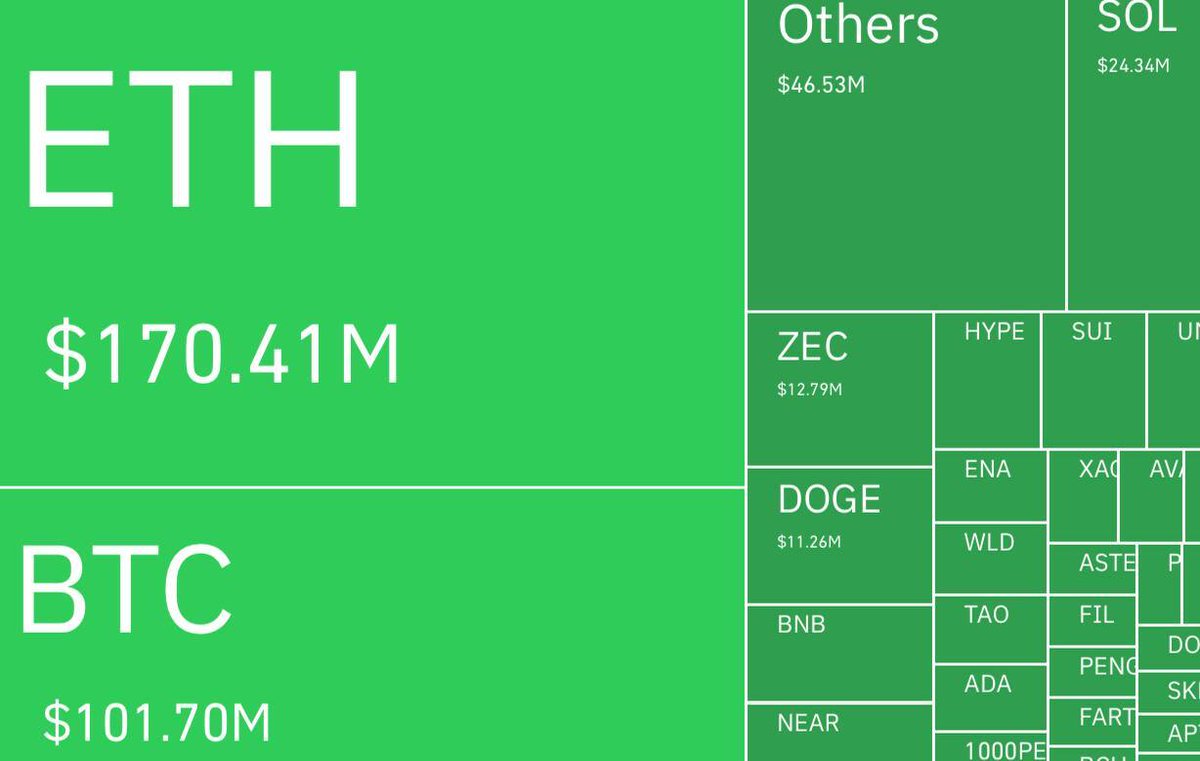
Multiple X-sourced market posts showed Bitcoin slipping below $81,000 on Oct. 9, with roughly $400 million to $488.9 million in crypto liquidations over the past hour. Cointelegraph Flash reported $488.9 million in one hour, while Watcher.Guru and kobeissiletter cited about $450 million and more than $400 million, respectively.
The move follows a volatile stretch from Oct. 6 to Oct. 8. CryptoBriefing, citing shared X data, said more than 14,505 BTC in leveraged long positions were liquidated over that window, worth about $1.17 billion, marking the largest long wipeout since early June.
The liquidation pressure was concentrated in leveraged BTC and ETH trades. TokenPost said long positions made up 93.7% of one recent hourly liquidation tally, with Binance, Bybit and Hyperliquid among the largest venues, a setup that can amplify short-term volatility and tighten risk appetite across majors and altcoins.
At this stage, the reporting is primarily from market trackers and social posts, not a company statement. Lookonchain also flagged individual traders reducing exposure, but that is on-chain monitoring rather than an official response.
SpaceX said on Thursday that it has agreed to acquire Grain Management’s nationwide low-band spectrum portfolio, a package of 800 MHz licenses totaling up to 14 MHz of paired spectrum. The company said the deal is designed to support Starlink Mobile by tying satellite direct-to-device service more closely to terrestrial networks.
The transaction adds to SpaceX’s growing spectrum ambitions. Grain acquired the portfolio from T-Mobile in August and is now selling it to SpaceX, underscoring how valuable low-band licenses have become for direct-to-phone coverage and indoor penetration.
Telecom shares moved lower in after-hours trading after the announcement, with investors focusing on the competitive implications for AT&T, Verizon and T-Mobile. The deal remains subject to FCC approval, so the transfer is not yet complete.
SpaceX did not disclose financial terms in the announcement. Media reports cited people familiar with the matter putting the cash price at about $8 billion, but that figure was not included in the company’s official release.
Trump’s August Meta buy reached as much as $25 million
X posts say Trump disclosed 517 stock and bond trades in August, with Meta the largest purchase. The disclosure keeps his trading activity and META in focus.
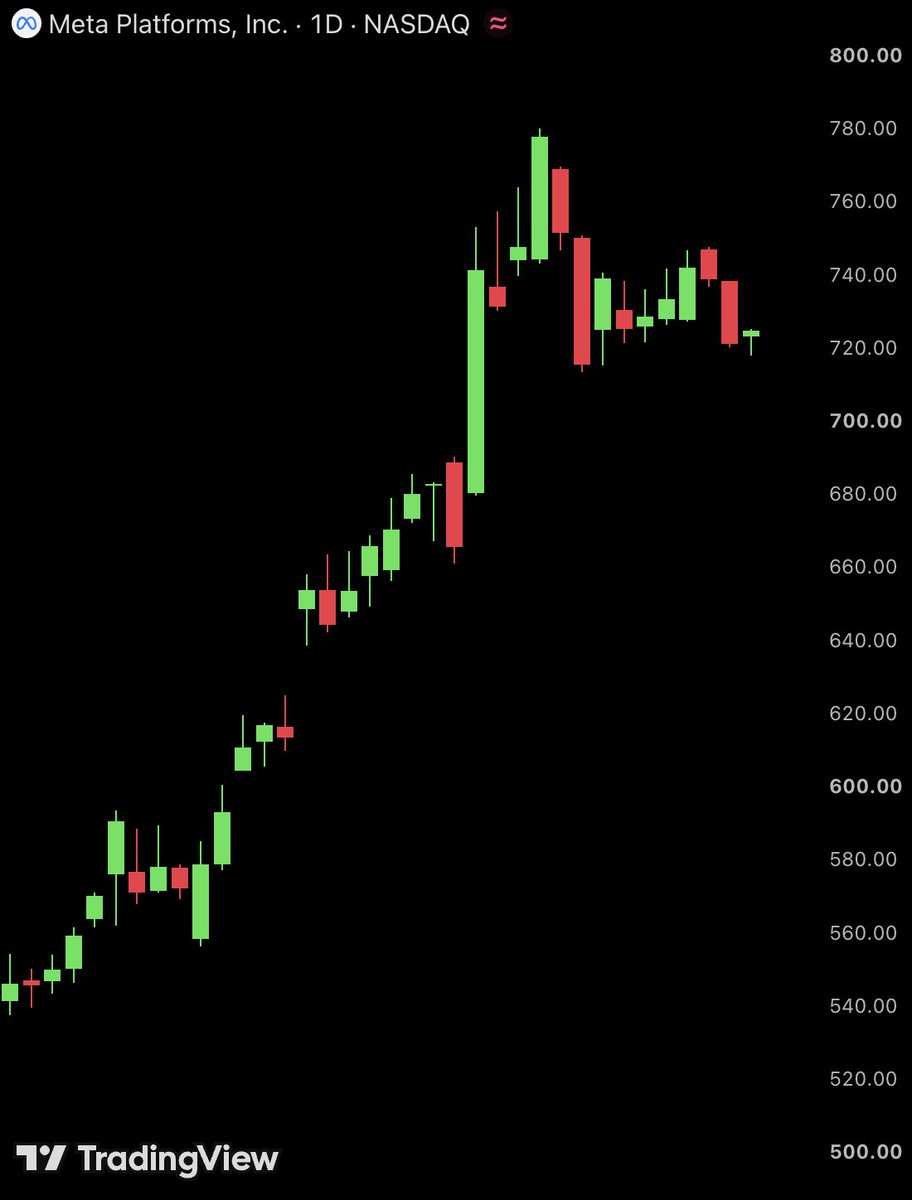
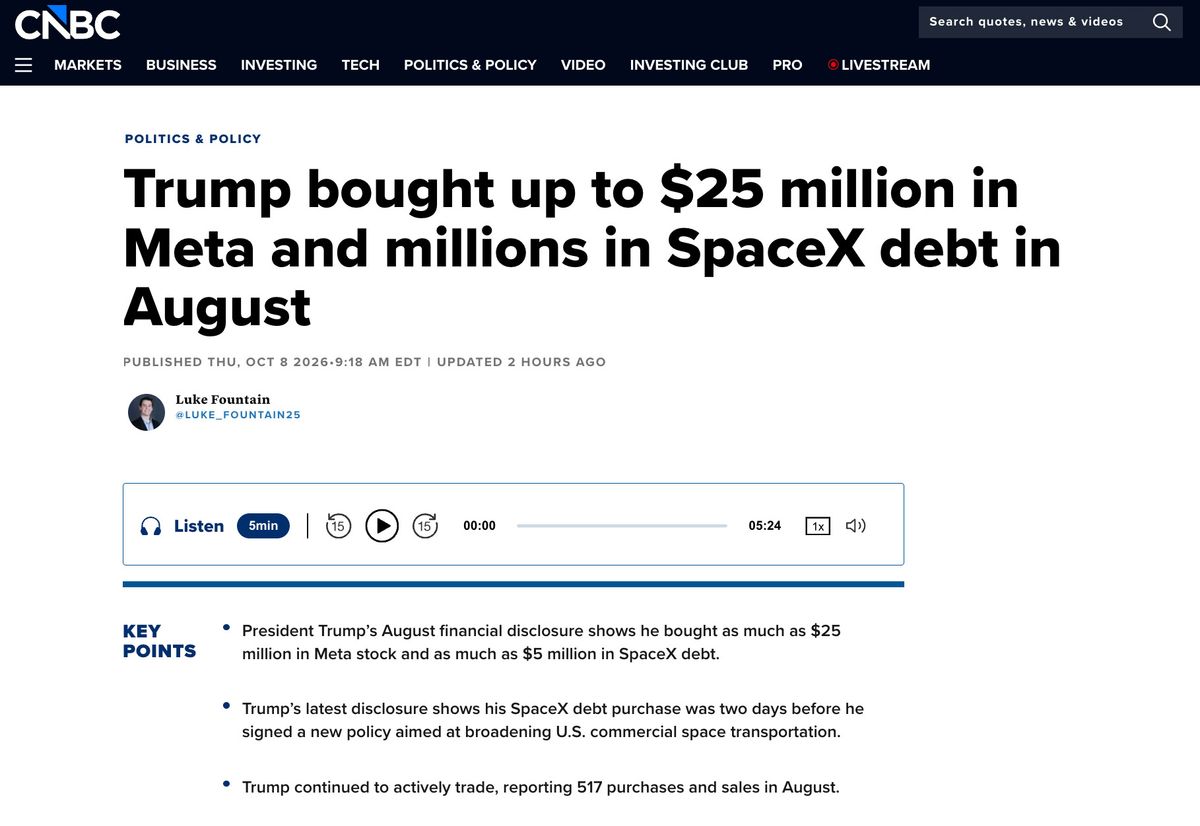
Multiple X posts say Trump disclosed 517 stock and bond trades in August, worth as much as $273 million combined. The biggest buy was as much as $25 million of Meta stock on Aug. 21.
On the same day, he also reportedly bought up to $5 million each of AT&T, ConocoPhillips, Abbott Laboratories, Netflix and Chevron. The disclosure matters because it gives a fresh look at the size and mix of his August trading.
The market focus in the signal is Meta. One post says $META is up more than 30% since Trump bought it in August, while recent site coverage on Meta centers on fundamentals and shareholder holdings rather than the trade itself.
No response from Trump or Meta was included in the material. For now, the trade details in the X signal remain the key disclosed facts.
Nvidia said on Oct. 8 that it will commit $1 billion over the next five years to support U.S. scientific research, with a focus on quantum computing, healthcare and energy security. The company said the effort will run through higher-education research institutions, quantum development and cloud providers serving U.S. government mission needs.
The announcement came at the Science: A New Golden Age event in Washington, D.C. Nvidia also said it is taking part in phase 2 Genesis Mission awards unveiled at the event, spanning quantum computing, fusion, accelerator design and microelectronics.
For investors, the update underscores Nvidia’s push beyond AI chips and into scientific computing infrastructure and adjacent research ecosystems. NVDA remains the central stock to watch as the company deepens ties with national labs and universities.
Nvidia said it has worked with U.S. national laboratories for more than two decades and continues to support systems at Argonne and Los Alamos National Laboratories. The company did not break out how the $1 billion commitment will be allocated across the stated priorities.
University of Michigan October sentiment slips to 46.3; current conditions hit a record low
The preliminary read points to weaker household confidence and firmer inflation expectations, a combination that could affect rate-cut pricing and risk appetite.
The University of Michigan’s preliminary October consumer sentiment index came in at 46.3, down from 48.1 in September and below the 47.5 consensus. The current conditions gauge fell to 44.7, while expectations rose to 47.3. One-year inflation expectations edged up to 4.7%, and the five-to-ten-year measure rose to 3.5%.
The survey is one of the most closely watched gauges of U.S. household mood, with the preliminary print released mid-month and revised later in the month. Recent coverage says respondents remain uneasy about living costs, energy prices and job prospects, with lower-income households and smaller investors seeing the sharpest deterioration.
For markets, the report matters most for Treasuries, the dollar and rate-sensitive assets because it feeds into views on inflation persistence and the Federal Reserve’s path. If the weakness holds in the final reading, consumer discretionary names and other risk-sensitive sectors may also face pressure on sentiment grounds.
The X signal matched multiple wire reports. The 46.3 headline reading lines up with investing.com, fxstreet.com and geolonghui.com; the 44.7 current-conditions figure was also reported by those sources, and the 4.7% one-year inflation expectation and 3.5% five-to-ten-year expectation were consistent across the wires.
Statistics Canada said the economy lost 68,300 jobs in September, after a decline of 41,700 in August, while the unemployment rate edged up to 6.5%, in line with expectations. Average hourly wage growth for permanent employees rose 2.3% year over year, matching forecasts and the prior reading.
The decline was led by the public sector, with education services and health care and social assistance accounting for a combined 58,400 job losses. Manufacturing also shed 12,700 positions. The participation rate fell to 64.8%, near a multi-decade low outside the pandemic period, reflecting aging demographics and softer immigration.
The report matters for Bank of Canada rate expectations and for the Canadian dollar and government bonds. Reuters said the loonie weakened after the release and two-year Canadian yields moved lower.
For now, the headline figures from the X signal line up with Reuters and other coverage; no contrary official denial has emerged on the key numbers.
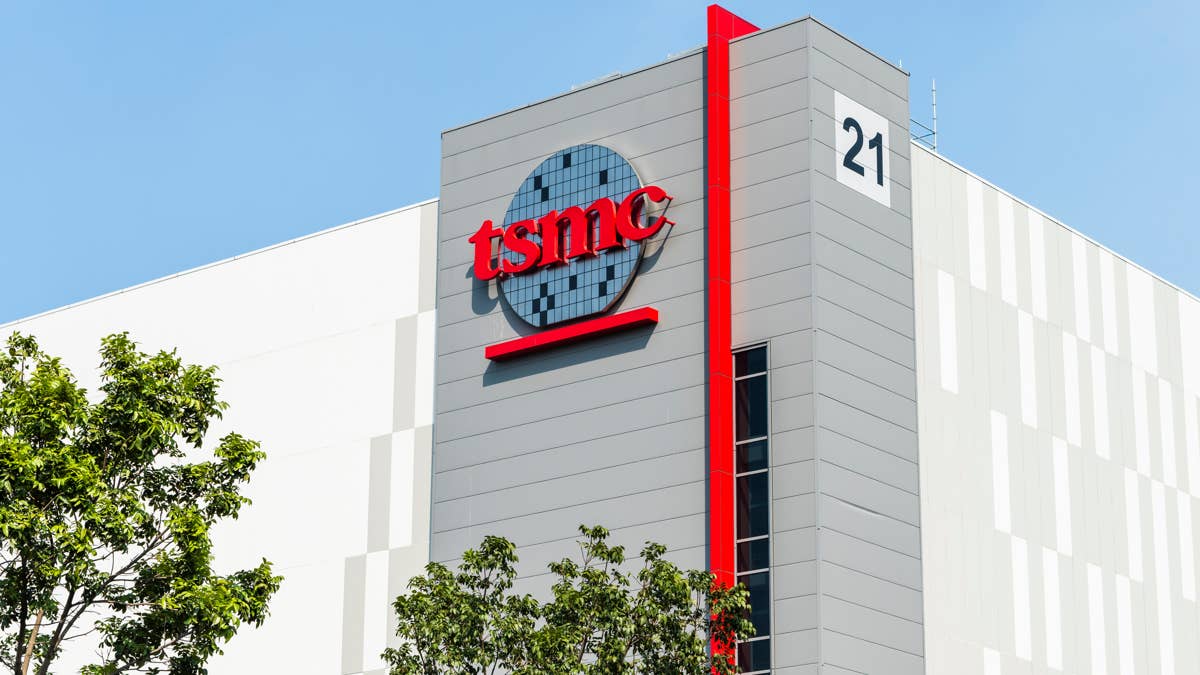
Taiwan Semiconductor Manufacturing Co. reported September-quarter revenue of about NT$1.49 trillion, or roughly $46.7 billion, up 51% year over year and a record for the company. The result extends a clear acceleration trend after prior quarterly growth of 21%, 35% and 36%.
The numbers underscore how tightly the AI buildout is tied to TSMC’s leading-edge logic and advanced packaging lines. TSMC has already raised 2026 capex to the $60 billion-$64 billion range, and industry commentary continues to frame advanced packaging as the most acute constraint.
For investors, TSMC remains a bellwether for the AI supply chain, with implications for customers such as Nvidia and AMD as well as equipment and materials vendors. Recent reporting also pointed to a five-year, $2 billion manufacturing deal with GlobalFoundries tied to TSMC’s advanced packaging ecosystem in the U.S., highlighting how aggressively the company is widening capacity.
TSMC has not disputed the demand strength reflected in the revenue print, but the key follow-up now is whether its spending and buildout can keep pace. The company is scheduled to report full earnings on Oct. 15, which should add more detail on capital spending and capacity plans.
Hurricane Isaias is closing in on the U.S. Gulf Coast. AP said the storm was nearing major-hurricane strength, while the National Hurricane Center said landfall could come late tonight or early Saturday, bringing storm surge, damaging winds and heavy rain to the coast.AP News NHC
The market-moving angle in the latest reporting is the direct hit to energy infrastructure. Bloomberg-linked signals say about 500,000 barrels a day of refining capacity sit in the storm’s projected path, while offshore Gulf crude disruptions have already become visible, creating a risk of simultaneous pressure on crude output, refinery runs and fuel supply.Bloomberg BSEE
For U.S. energy equities, refiners and Gulf-focused producers are the most relevant names to watch. Among the candidate tickers, Marathon Petroleum, Phillips 66 and other Gulf-exposed refiners are the most directly tied to potential outages, maintenance interruptions and product-supply tightness.
Public reporting has not settled on a single landfall intensity: some outlets say Isaias could briefly reach major-hurricane status, while others say it may not make landfall as a major hurricane. What is clear is that the storm is strengthening and already disrupting energy production and refinery planning.Weather.com NHC
The Office of the Comptroller of the Currency on Oct. 8 imposed a $350 million civil money penalty and a cease-and-desist order on American Express National Bank. The OCC said the bank’s Bank Secrecy Act and anti-money laundering compliance program had systemic deficiencies.
The regulator said the bank failed to timely identify, evaluate and sufficiently report about $13 billion of suspected trade-based money laundering activity over roughly a decade. The Federal Reserve also announced a separate enforcement action against American Express Co. and American Express Travel Related Services Co. over enterprise-wide financial-crime risk management weaknesses.
For investors, the issue is primarily a compliance and reputational overhang rather than a direct operating dislocation. American Express said the orders do not impose an asset cap and should not affect its 2026 or 2027 guidance, while it works through remediation and additional look-backs required by regulators.
The company said internal and external reviews had identified areas for improvement and that more work remains. Regulators said the actions are intended to push the firm to better align its controls with the money-laundering risks of its business.
Meta has started blocking advertisements and paid messages from ByteDance and TikTok, according to multiple media reports on Thursday. The restriction covers seven markets: the United States, Canada, Egypt, Indonesia, Japan, Thailand and Vietnam, and reportedly includes third-party ads that link to TikTok.
The development matters because Meta and TikTok are two of the biggest rivals in social advertising. Tightening ad access can affect brand spending, traffic acquisition and the monetization mechanics of both platforms.
For Meta, the move keeps attention on ad revenue and competitive positioning; for ByteDance, it may raise the cost of reaching users through Meta’s apps. Bloomberg first reported the change, and other financial outlets quickly echoed the news, signaling a high-interest market story.
There has been no additional public explanation from Meta in the reports reviewed, and no public denial from ByteDance on the specific advertising restriction. The bigger issue is that platform competition is increasingly being fought at the level of ad inventory and distribution access.
Oracle Trucks Natural Gas to Keep Data Center Buildout on Schedule
The company is using trucked gas to work around pipeline delays, with the approach already used in Utah and Texas and possibly extending to a 2.45-GW project in New Mexico.
Multiple reports say Oracle is transporting natural gas by truck to power AI data centers, sidestepping pipeline delays that could slow its expansion plans. The approach has already been used in Utah and Texas and may be extended to a larger New Mexico site.
The issue matters because Oracle’s AI infrastructure buildout depends on reliable power delivery. One report says the workaround could reach Project Jupiter, a 2.45-GW project, underscoring how tightly energy logistics are now tied to deployment timelines.
Oracle has already been in focus in recent market coverage as AI stocks swung on new OpenAI-related revenue details and broader capex concerns. Against that backdrop, the gas-by-truck report adds another operational layer to the story around ORCL’s data center growth.
In the material provided, Oracle has not publicly confirmed or denied the practice. The reports instead frame it as a workaround being used to keep several data centers on track while pipeline access lags.
Samsung Electronics America said on Oct. 7 that stablecoin functionality will launch in Samsung Wallet in the last week of October for eligible Galaxy users in the U.S., with USDC as the first supported stablecoin. Users will be able to send USDC to compatible wallets abroad or to eligible bank accounts in more than 60 countries, and Samsung said it will not charge fees for transfers to compatible external wallets.
The announcement turns earlier social-media chatter about Samsung Wallet and SUI into an official product rollout. Samsung said Bastion will power the cross-border framework and custody will be handled through Coinbase Prime Vault, while blockchain support will come from Solana and Sui; Sui also said the Samsung Wallet launch supports USDC only, not the SUI token itself.
For the market, the key implication is distribution: Samsung’s wallet gives stablecoin transfers a native channel inside a device ecosystem with 82 million U.S. Galaxy devices at launch. That makes SUI and SOL the most relevant tickers to watch, not because Samsung is endorsing either token directly, but because both networks are named infrastructure partners behind the feature.
Samsung said future capabilities could include online payments and in-store tap-to-pay with stablecoins, subject to local regulatory developments. The initial rollout remains U.S.-only, so broader adoption will depend on compliance and market expansion beyond the first launch window.
Elon Musk said Starlink has followed every rule in India for five years but still has no license. He also singled out Mukesh Ambani, asking whether the Indian billionaire is the country’s “real boss.”
The dispute extends a longer-running effort by Starlink to enter the Indian market. CNBC’s recent coverage says India’s telecom and internet market is dominated by Reliance Jio and Airtel, which together hold more than 80% market share.
For investors, the issue keeps attention on SpaceX’s India expansion story and the regulatory path for satellite broadband. Indian authorities have already said the framework is fair and non-discriminatory, and that three satellite operators are licensed.
The latest update is the public escalation itself, plus the government’s response. Musk’s claim that vested interests are blocking Starlink should be treated as his accusation, while the ministry’s position remains that the rules apply equally to all companies.
U.S. telecom stocks were weaker in today's session after new signals tied the move to SpaceX's spectrum purchase. FirstSquawk said Verizon, AT&T and T-Mobile US extended losses, while other signals showed the group down more than 5% in early trading.
The newsroom's recent coverage points to the same event line: SpaceX is expanding its mobile ambitions through an agreement to acquire nationwide 800 MHz wireless spectrum from Grain Management. Schaeffer's Research also reported AT&T down 7% to $22.87 this morning, underscoring how closely traders are linking the deal to carrier competition.
The pressure was concentrated in AT&T, Verizon and T-Mobile US, which all sold off together rather than on company-specific earnings or guidance. Mentions of AVGO and AMD appear to be part of the broader risk-off tape, not the same event.
No fresh company response was available in the provided material. The immediate story is the market's read-through from SpaceX's spectrum move into the wireless names.
Multiple X posts citing the Financial Times say Starbucks ($SBUX) has reportedly explored talks to acquire Chipotle ($CMG), including work with advisers on a takeover proposal. The reports surfaced on Thursday and quickly spread across wire-style coverage.
The deal talk drew attention because several outlets described it as a potentially record-setting restaurant transaction. Morning Brew highlighted Chipotle’s roughly $41.5 billion market cap and noted that the 2014 Burger King/Tim Hortons deal of $11.4 billion remains the benchmark for the sector.
Markets reacted immediately to the headlines. X signals said CMG jumped while SBUX fell, with Kalshi Finance citing a 5% drop in Starbucks and an 8% rise in Chipotle after the report.
For now, the key point is that the material describes exploratory talks, not a confirmed transaction. No company statement confirming a deal appears in the provided sources.
Citrini Research said in its new report that AI-powered financial agents could usher in a new paradigm for crypto investing, with blockchain serving as the core infrastructure for autonomous financial activity. The thesis was picked up by multiple outlets on Oct. 9.
The backdrop is the accelerating tokenization of real-world assets and a softer regulatory tone toward onchain markets. CoinDesk reported that Citrini pointed to Robinhood Chain, Solana and the SEC’s emerging “innovation exemption” framework for tokenized stock trading.
Citrini’s preferred beneficiaries are businesses that collect fees from trading, custody, lending and settlement, including Coinbase, Robinhood, Circle and Securitize. On the token side, the report highlighted Ethereum, Solana, Ethena and Ondo, arguing that network usage matters more than simple price exposure.
The report also cautioned that higher onchain activity does not automatically translate into higher token prices. What matters, it said, is where the economics accrue and whether token holders share in the fee stream.
President Donald Trump said on Truth Social that anyone using “Artificial Intelligence” instead of “Super Intelligence” is “THE ENEMY!” Multiple outlets reported the post on Thursday, underscoring a fresh burst of public pressure behind the White House’s rebranding campaign.
The broader story began earlier this month, and in some reports in late September, when Trump formally pushed federal agencies to use “Super Intelligence” and “SI” in official communications. Axios reported that the White House’s AI.gov page had been updated to display “SI.gov,” although the underlying URL remained AI.gov.
For markets, this is more about messaging and policy optics than company-specific fundamentals. AI-themed stocks may see sentiment noise, but the key development in today’s signal is the sharper White House rhetoric, not a new earnings or regulatory action against any single firm.
No fresh comment from the White House was reported in the materials reviewed. Existing coverage also shows the administration’s terminology is still inconsistent across official channels, suggesting the naming campaign is still a work in progress.
How this story unfolded
2026-08-115 posts · 5 authors
Treasury discussed banking's role in economic security; supertanker shipping costs hit $500k/day amid war, with Brent whipsawing on Iran/Hormuz headlines.
Company
Trump awards Elon Musk the National Medal of Science
X posts say the presentation happened Thursday, alongside honors for other tech leaders.
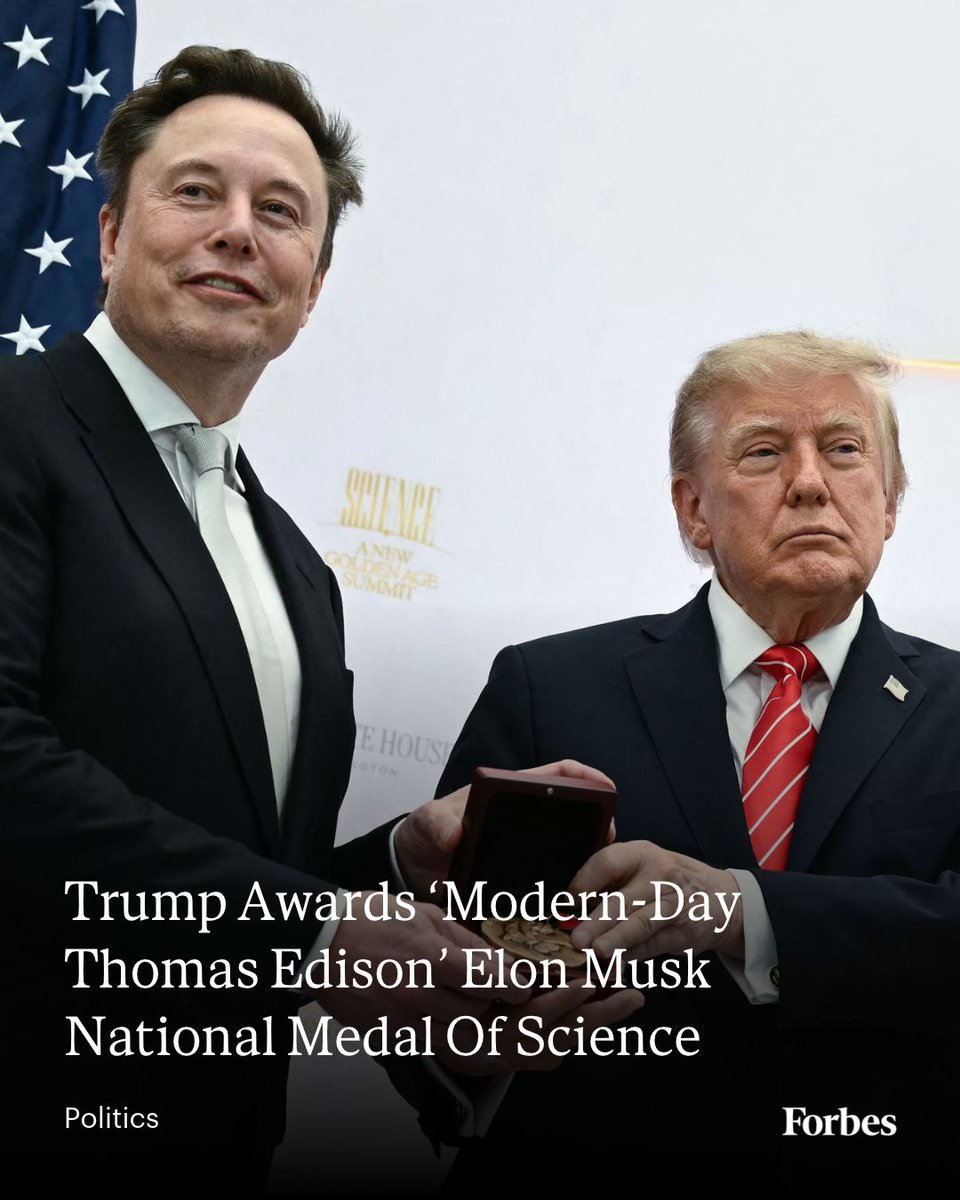
Multiple X accounts said President Trump has presented Elon Musk with the National Medal of Science. Posts from sawyermerritt, stocksavvyshay and coinbureau described Musk as having already received the honor, with Trump saying, “There is nobody like him.”
The same wave of posts said other technology leaders — including Jensen Huang, Michael Dell, Sergey Brin, Lisa Su and Satya Nadella — were also among the honorees. The medal was described as one of America’s highest honors for achievement in science and technology.
Recent coverage in the site’s news library has focused on Musk-linked companies and projects, including SpaceX’s Terafab initiative, a low-band spectrum deal and Starlink’s push in India. Those reports are not about the award itself, but they show that Musk-related names remain highly watched by the market.
For investors, the directly relevant tickers remain TSLA and SPCX. The award is a reputational development rather than a market event in the source material, and no price reaction data is provided here.
Multiple X posts say Trump bought up to $5 million of SpaceX debt on Aug. 18, then signed a policy on Aug. 20 aimed at expanding U.S. commercial space transportation. The same disclosures also describe the SpaceX purchase as at least a seven-figure stake in debt.
The timing is the key point: the debt purchase came first, and the space policy followed two days later. SpaceX is described in the posts as the country’s dominant launch provider, which helps explain why the sequence is drawing attention.
There is no direct market reaction to the debt trade in the materials, but one post says SpaceX stock is up about 11% since. Bloomberg and CNBC’s follow-up reports in the site news desk also frame the August trades as part of Trump’s broader disclosure of securities transactions.
The materials do not include a direct response from Trump or the White House on whether the trade and the policy were related. What is clearly documented is the trade timing and the subsequent signing of the space order.
Nvidia co-founder Jensen Huang received the National Medal of Science today. Multiple X posts say his parents were present for the moment.
The signal frames Huang as an immigrant who arrived in the United States at age nine and rose to the country’s top science honor. It also highlights his contributions to computing and AI.
For markets, the immediate relevance is to NVDA and the company’s founder narrative. The provided materials do not include a price move or any new operating data tied to the award.
No party denial appears in the supplied material. The news-lifecycle point here is the public recognition itself, not a longer-running Nvidia business development.
Company
Nebius gets NVIDIA Exemplar Cloud validation for HGX B300 training
The certification builds on MLPerf Training 6.0 results and adds fresh validation for Nebius’ Blackwell Ultra cloud stack
Nebius said it has earned NVIDIA Exemplar Cloud validation for training on its HGX B300 platform. The certification means NVIDIA reviewed benchmark results from Nebius’ production infrastructure and signed off on the setup for demanding training workloads.
The announcement adds to Nebius’ prior NVIDIA validations on H200 and GB300 NVL72 systems. It also follows the company’s MLPerf Training 6.0 submission, where Nebius said its single-node HGX B300 results were the fastest in class for Llama-3.1-8B and GPT-OSS 20B.
For investors, the news primarily ties together Nebius (NBIS) and Nvidia (NVDA) through AI infrastructure credibility. A vendor-backed validation can help Nebius market rented training capacity, while Nvidia gains another reference point for its Blackwell Ultra platform.
Nebius said the validation was announced on Oct. 8 and involved NVIDIA engineers testing and refining the production configuration. Subsequent coverage highlighted that the certification covers training workloads, not inference.
The Information reported, citing three people familiar with the matter, that Nvidia plans to invest in d-Matrix, a startup focused on AI inference chips. The reported deal terms were not disclosed, and neither company has publicly confirmed the investment.
d-Matrix competes with Nvidia in server chips for AI inference, but the two companies have already been linked through technical collaboration. Separate reports said d-Matrix’s next-generation inference XPU is set to support Nvidia’s NVLink Fusion ecosystem and MGX rack reference architecture.
For Nvidia, the strategic significance is broader than a minority stake: bringing rivals into its ecosystem could support demand for networking and rack-scale hardware alongside GPUs. For investors, the read-through is centered on NVDA and the extent to which Nvidia can monetize an increasingly open hardware stack.
No financial terms, valuation update or closing timeline were disclosed in the report. Until either company confirms the deal, the transaction should be treated as a reported plan rather than a completed investment.
Lumentum CEO Michael Hurlston said the company’s optical components are effectively sold out into early 2029. One of the X signals also quoted him as saying Lumentum can meet only 30% of what it is being asked to supply.
The update extends the same AI-infrastructure theme that has been driving demand for optical interconnects and lasers. A recent market note in the site’s news file said Lumentum shares rose in premarket trading after the CEO’s comments on orders running ahead of supply.
For the market, LITE is the primary stock to watch, while peers such as Applied Optoelectronics and Coherent were also mentioned as part of the broader optics rally. The significance lies in how strongly AI data-center buildouts are straining current optical component capacity.
The newest evidence comes from the CEO’s remarks and repeated third-party coverage, which largely align on the same message. The site’s report tied the comments to a share-price move but did not add new details on when supply might meaningfully catch up.
Synopsys is reportedly exploring partnerships with Chinese large-language-model developers to adapt its AI-enabled chip-design tools for the local market. Nikkei Asia cited company remarks saying the EDA leader wants to help Chinese chipmakers speed up development with an AI version of its software.
The report comes after Synopsys announced a multi-year deal with OpenAI on September 30 to build GPT-Synopsys, a dedicated model aimed at automating parts of chip design. Synopsys has also been folding AI into its own products through platforms such as Autopilot and AgentEngineer, with more than 50 collaboration projects disclosed earlier.
For the stock, the key ticker is SNPS because the story speaks directly to Synopsys’ AI commercialization strategy and China exposure. The report adds to the company’s AI narrative, but the China partnership itself has not been formally announced by Synopsys.
AMZN is only a secondary reference in this story: Synopsys and Amazon were previously named in the OpenAI-linked deal, but the latest China report is about Synopsys’ possible outreach to Chinese AI labs. No new Amazon-related disclosure was reported today.
Anthropic said it is launching a cybersecurity initiative called Cyber Mission, using its strongest AI models to look for threats across power grids, water systems and open-source code before attackers do. The signal comes from today’s X posts and media reposts.
The move targets critical infrastructure and software-supply-chain security, underscoring how large language models are being pushed into specialized defensive use cases. The posts explicitly frame the effort around protecting critical infrastructure and open-source software.
In market terms, the signal mentioned CrowdStrike and Palo Alto Networks, but the newsroom’s last 48 hours of coverage does not show a direct corporate link between these companies and Anthropic. The immediate relevance is thematic: it reinforces the AI-cybersecurity investment narrative.
No denial or additional financial detail appears in the source material. Any further significance will depend on whether Anthropic provides product specifics or commercial rollout details later on.
Apple has confirmed a product launch event for October 13 in New York’s Tribeca neighborhood, scheduled for 9:00 a.m. ET under the tagline “Welcome Home.” The company has not yet said which products will be unveiled.
Media reports, citing Apple’s invitations and industry sources, say the event is likely to center on smart-home devices, including a new home hub with a display, an updated Apple TV 4K and a refreshed HomePod mini. Separate reports also suggest Apple may hold another launch later in the month for an OLED iPad mini, a touchscreen MacBook and an M6-based 14-inch MacBook Pro.
The announcement keeps AAPL in focus as investors watch whether Apple can turn its smart-home hardware plans into a fuller product lineup. If the rumored devices are confirmed, the move could also draw attention to Apple’s home ecosystem and related supply-chain names.
For now, the only fully verified details are the event date, venue and theme. Product specifics remain unannounced by Apple, with the rest still coming from press reports and launch-day expectations.
Reuters reported, citing an internal memo, that Apple has appointed company insider Steve Smith to lead mergers and acquisitions and corporate development, replacing Adrian Perica.
Perica will move to Apple’s services organization and report to Eddy Cue, according to the memo. Smith will report to CFO Kevan Parekh.
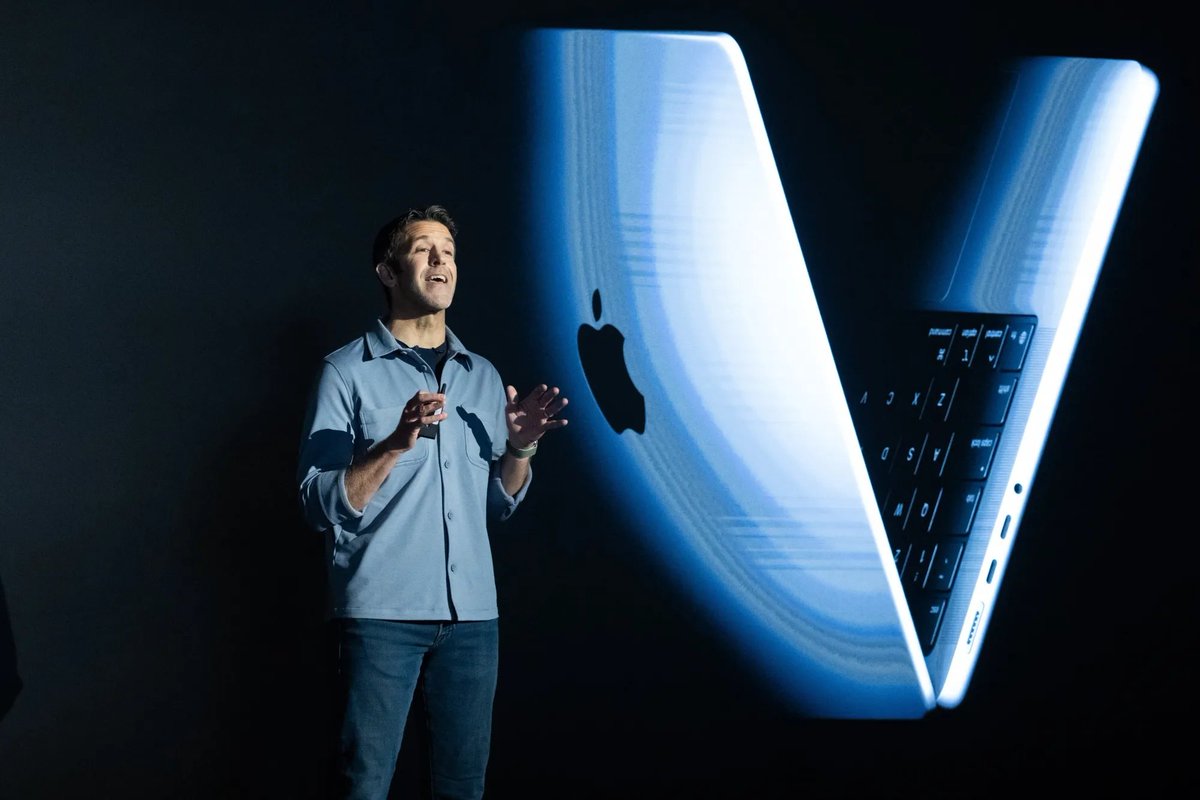
The shift is the latest management change under new CEO John Ternus and underscores how Apple is redistributing leadership across services and dealmaking. Reuters said Apple shares were up about 1.4% on the day the news broke.
Apple did not immediately respond to a request for comment. Bloomberg first reported the move before Reuters’ memo-based confirmation.
Netflix has released the first trailer for The Altruists, an eight-episode limited series centered on Sam Bankman-Fried, Caroline Ellison and the collapse of FTX. Netflix’s Tudum says the show will premiere on Nov. 19.
This is a media update rather than a new development in the FTX case. Multiple outlets confirmed the project’s creative team, including creator and writer Graham Moore and co-showrunner Jacqueline Hoyt, and said the series is inspired by New York Magazine reporting on the scandal.
For Netflix, the relevance is promotional rather than financial. The trailer adds visibility for NFLX’s content slate, but the story itself does not change the company’s operating outlook in a direct way.
So far, the reports focus on the trailer release and launch date, with no new denials or disputes from the parties involved. Any factual claims about the FTX collapse should still rest on prior public reporting and court proceedings.
Humana said 95% of its Medicare Advantage members are enrolled in plans rated at least four stars for 2027. The insurer said the improvement could make more of its membership eligible for quality-related bonus payments.
The update is the latest disclosure on Humana’s Medicare Advantage Star Ratings and is the key new development in today’s market reaction. Business Wire, The Wall Street Journal and Reuters all pointed to the same ratings improvement as the driver behind the move.
Humana shares rose about 15% in premarket or after-hours trading, according to the materials provided. Investors appeared to focus on the potential for broader eligibility for bonus payments tied to the higher ratings.
Humana’s statement centers on the 95% figure and the possible payment impact. No conflicting denial from another party appears in the supplied material.
Delta Air Lines lowered its 2026 earnings outlook after reporting third-quarter results. The company said its full-year fuel bill will rise by $6 billion, while adjusted EPS came in at $1.72 and adjusted revenue at $17.59 billion.
The update matches a single event already covered in the company’s latest quarterly release and follow-up reports. Delta also said it expects about $4.5 billion in pretax profit for the year and about $2.5 billion in 2026 free cash flow.
For the market, the key ticker is DAL. The new guidance keeps attention on fuel prices, pricing power and whether strong demand can offset the hit from higher jet fuel costs.
Delta said fourth-quarter revenue is expected to grow about 20% year over year, and that its Q4 EPS outlook is based on fuel around $4.25 a gallon. Management said demand remains strong, but the fuel surge is pressuring annual profitability.
Trump Accounts have nearly reached 70 million openings, with more than 60 million added through this month’s automatic enrollment push. The White House said more than $4.5 billion has already been deposited into the accounts, including the government’s $1,000 seed money, family contributions and charitable gifts.
The bigger development is on the funding side: Treasury and IRS temporary rules now allow Trump Accounts to accept donated stock. CNBC reported that IRS CEO Frank Bisignano said several major gifts are already in the pipeline, including some in the nine-digit range, while the new rules are designed to support larger-scale private giving.
For markets, the policy could keep early account flows tied to S&P 500 exposure, since the default investment is linked to State Street’s SPDR portfolio. That makes STT a relevant name to watch as the program scales, especially if more assets come in through philanthropy or employer funding.
There is also a risk caveat. CNBC noted that Bisignano said there would be “no concentration risk,” but Treasury’s temporary regulations say stock contributions do create additional portfolio concentration risk for account holders. The contrast matters because the new donation channel could leave children’s balances more dependent on the performance of individual shares.
How this story unfolded
Markets
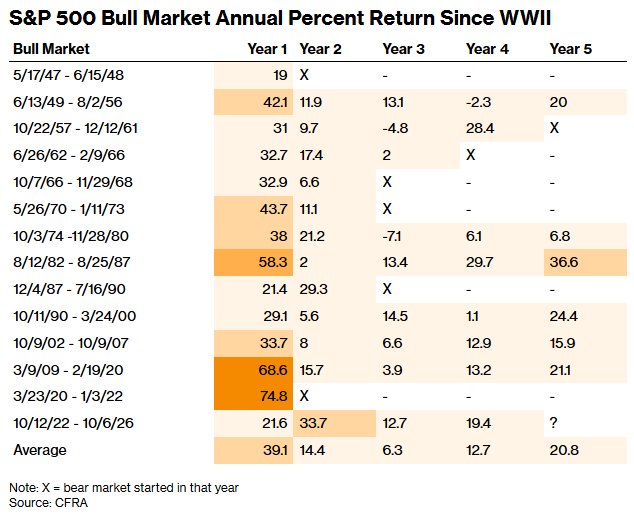
AI-led S&P 500 rally lifts concentration risk after 117% gain
JPMorgan says 42 AI-linked stocks have driven most of the index’s returns, earnings and capex growth since late 2022.
Several outlets on Thursday highlighted new JPMorgan Asset Management analysis showing the S&P 500 has risen 117% since October 2022, adding nearly $40 trillion in market value, with AI-linked stocks doing most of the heavy lifting. At the same time, the equal-weight S&P 500 has lagged the cap-weighted index by a record 52 percentage points.
In its “Smothering Heights” outlook, JPMorgan said a basket of 42 AI-related stocks has accounted for roughly 65% to 75% of S&P 500 returns, earnings and capital spending growth since the launch of ChatGPT in November 2022. The firm also said the market value of four hyperscalers and the semiconductor ecosystem around them has climbed from $3 trillion to $18 trillion.
The concentration leaves the benchmark increasingly dependent on a narrow group of mega-cap tech names such as Nvidia, Microsoft, Amazon, Meta and Broadcom, alongside utilities and capital equipment companies tied to data-center buildout. Reuters said strategists see AI as the defining feature of the current bull market, while also warning that any weakness in the theme could hit portfolios disproportionately.
Rate pressure remains part of the backdrop. Reuters said the U.S. 10-year Treasury yield was around 5.2% after recently hitting a 24-year high, while other market commentary put it as high as 5.34%. Together, the figures underscore how much of the rally is now tied to AI spending, earnings delivery and valuations.
Japan’s Ministry of Internal Affairs and Communications said on Oct. 9 that average household spending for two-or-more-person households fell 3.1% in real terms from a year earlier in August to 310,975 yen, marking a ninth straight month of declines. On a seasonally adjusted basis, spending rose 0.1% from July. The reading matched the X-wire consensus on the annual comparison and was slightly better than some forecasts.
The official breakdown showed weakness in education, recreation, housing, and utilities, while food spending also declined in real terms for a third consecutive month. Transportation and communications was the only major category to post a real increase, helped by auto-related spending. The ministry’s report also put the average propensity to consume at 64.5%, or 59.8% on a seasonally adjusted basis, down 3.2 percentage points from the prior month.
The report matters because household demand is a key gauge for the Bank of Japan as it weighs the durability of domestic demand against persistent inflation. In equity markets, the data can be read through retailers, consumer discretionary names, utilities, and transport-related shares, which tend to be sensitive to shifts in household spending patterns.
Reuters, The Japan Times, Nikkei and Jiji all reported the same 3.1% year-on-year decline, while the official statistics release confirmed the level of 310,975 yen and the 0.1% month-on-month rise. The same ministry report showed nominal spending down 1.0% year on year, underscoring that the weak real reading was not just a price effect.